Previous review:
As mentioned earlier, going overseas and going offline is a new choice for countless domestic global expansion brands and DTC online brands. In the new retail scenario where online and offline are integrated, every physical store will face a key issue: how to retain offline customers - to convert offline users online.
Although retention is just a small action, many aspects need to be considered to achieve this action: first, through what kind of retention, in other words, what carrier can better improve the effect of corporate customer retention; second, when to arrange online retention, whether to greet you when entering the store, or to communicate and guide at the checkout; third, whether to guide customers to add friends to the group or to communicate and invite with shopping guides; fourth, for what reason to invite customers to leave their contact information, whether it is after-sales service or logistics information or gift discounts...
A small action also has deep merit and fame behind it. In the future sharing of overseas social new retail customer solutions, we will also answer your questions one by one.In this article, let’s first analyze the key issues about retention carriers.
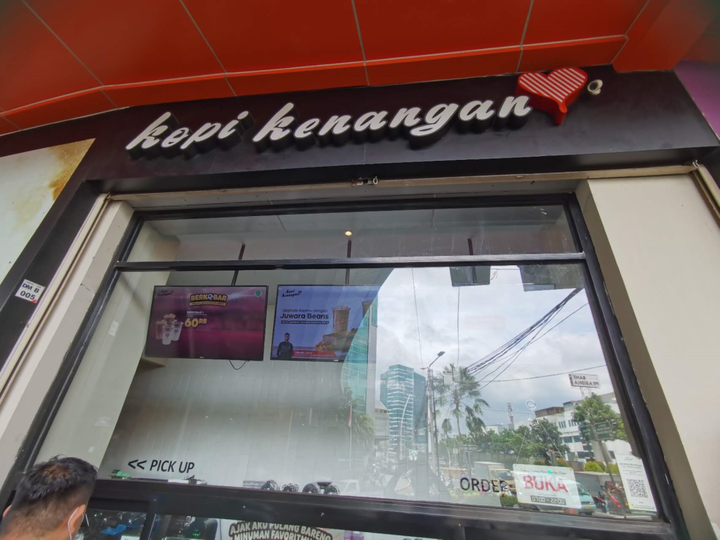
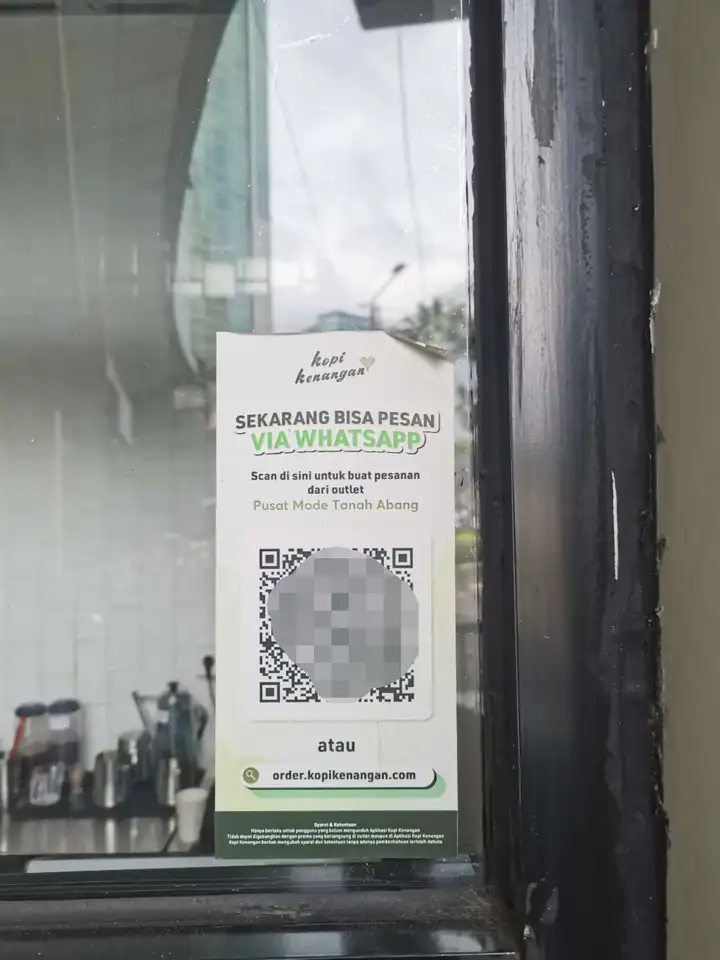
At the entrance of the Indonesian Kopi coffee shop, they also set up key actions for online ordering and retaining customer contact information for offline stores. After scanning the QR code in the store, a WhatsApp Business business number will be added directly, and the mall web page will be automatically pushed to facilitate customers to place orders directly.
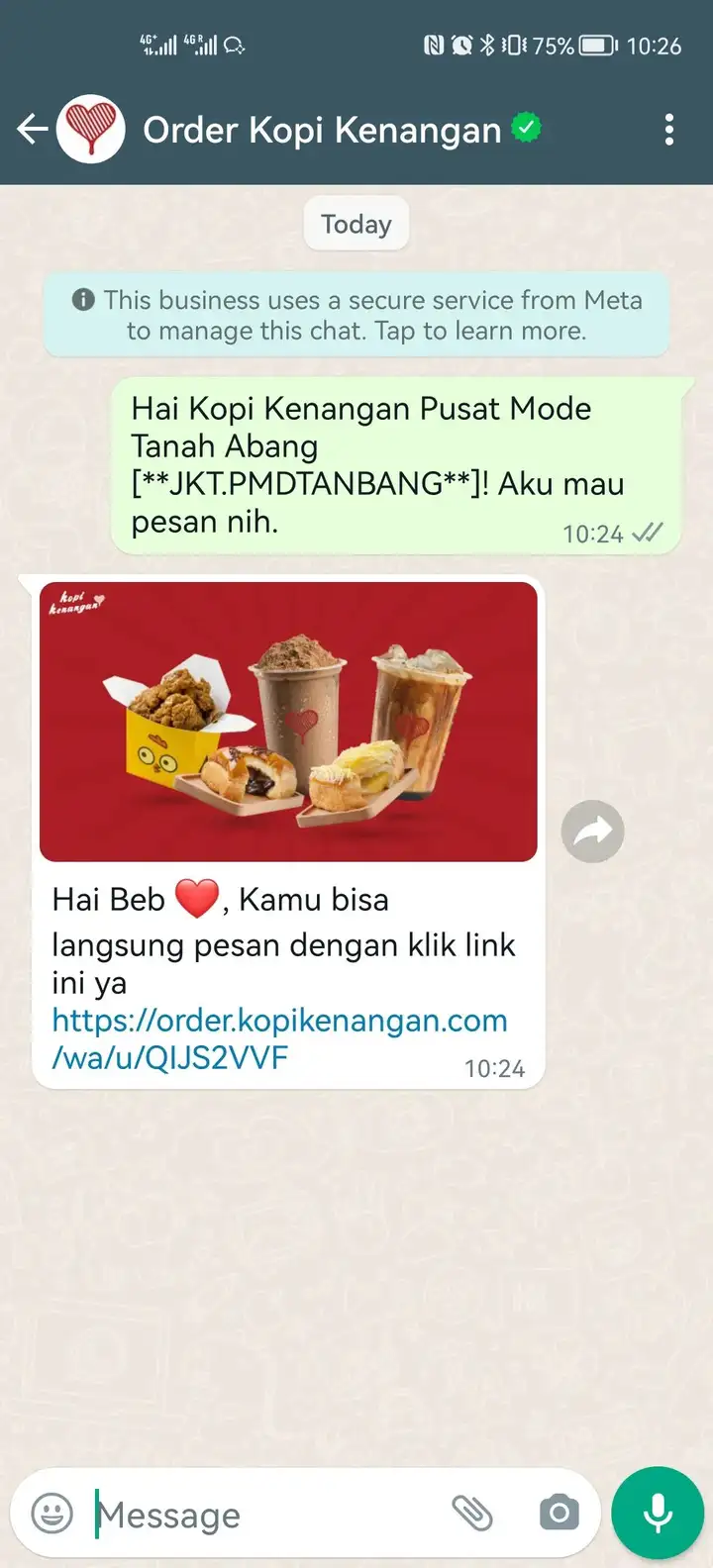
This small step can greatly improve ordering efficiency and optimize ordering experience for customers. For this physical store, it is of great significance:
- First, if all offline customers scan the QR code to order directly at the store, this means that the work efficiency of cashiers will be greatly improved. Instead of waiting slowly for customers to select products and make purchases, cashiers now only need to follow system prompts to receive orders and make orders. This improves service efficiency and naturally increases the number of customers that can be served.
- Secondly, there is another action that is performed simultaneously when ordering offline, that is, the customer scans the QR code to add the store’s WhatsApp friends. In this way, it lays the foundation for communication for this customer to repurchase in the future, expand categories, and increase unit price per customer. Everyone's regular activities are basically fixed, which provides many opportunities for high-repurchase stores such as catering and tea drinks.
- Thirdly, during the store's holiday period, you can arrange services such as advance reservation and purchase; you can also attract more customers to the store during festival activities to promote store sales growth.
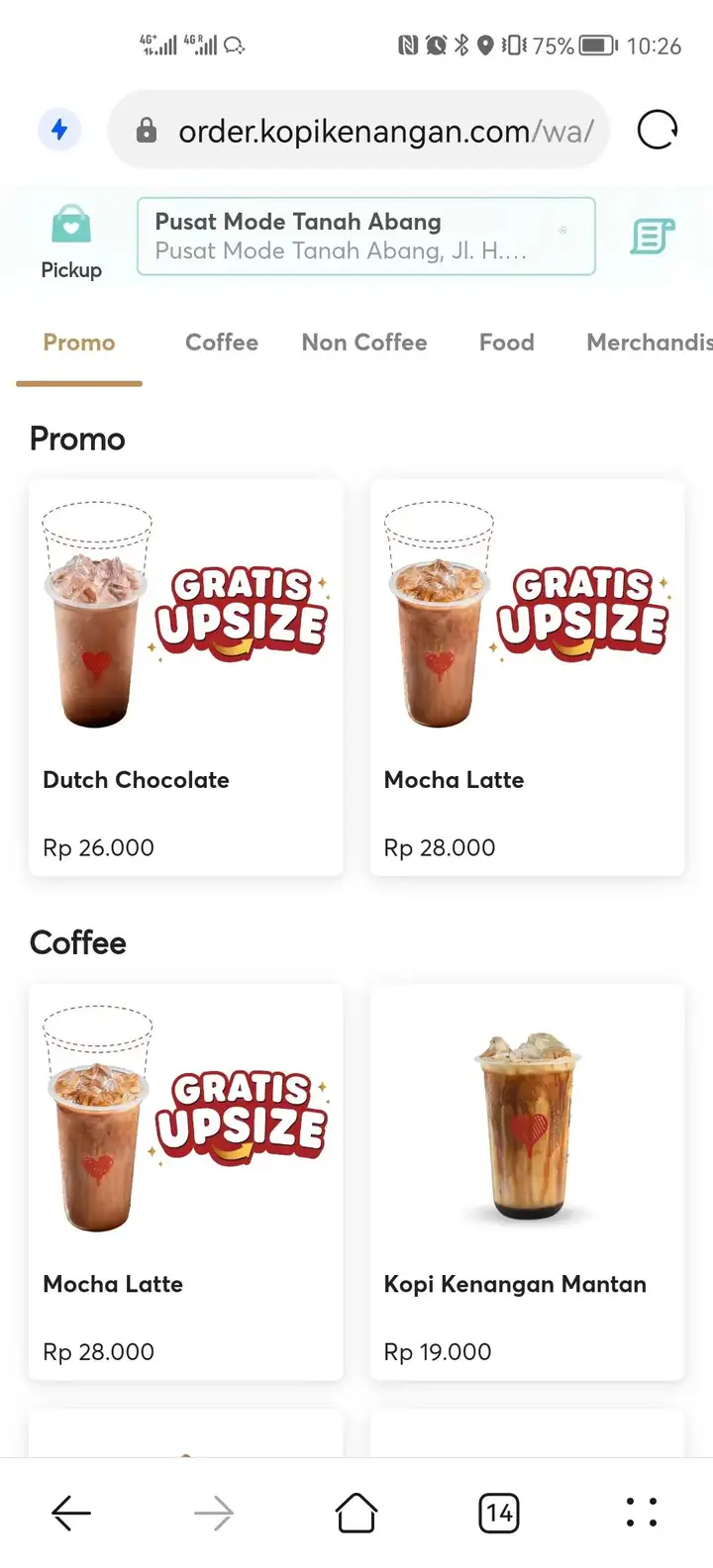
Of course, back to the theme of this article - the issue of offline customer retention carriers. We will find that whether it is a coffee shop in Indonesia or a domestic physical retail, catering, service industry, etc., the carrier for retaining customers and establishing contact information is instant messaging (IM) social tools.
- From a customer perspective, social communication methods are a must-have for everyone, because everyone communicates online within social applications every day, and it is very convenient to place orders;
- From a business perspective, the best contact method is naturally the one that conforms to user habits. Compared with email, phone calls or other methods, this kind of contact is more convenient for customers, and conversely, it is also the most convenient for enterprises. With the characteristics of real-time accessibility online, WhatsApp and WeChat are ideal storage carriers.

Now that the retention carrier has been clearly considered, next there will be more detailed consideration of the reception form for the WhatsApp platform itself:
Within the WhatsApp ecosystem, there are different ecological products and functions such as WhatsApp Messenger, WhatsApp Business, WhatsApp Business API (WABA), and based on WhatsApp itself, you can also establish a group (similar to a WeChat group) carrier. For customers, different industries, scenarios, needs and transaction cycles also determine what is the most appropriate specific form of engagement - contact points.
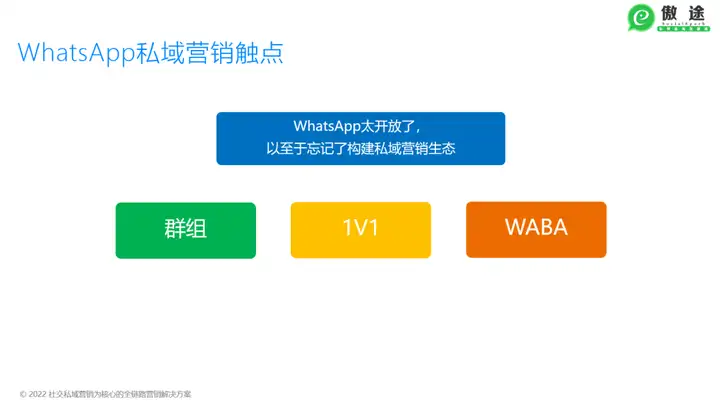
Generally speaking, there are three options for contact points: WhatsApp one-to-one friends, WhatsApp groups and WABA. In terms of its connection capabilities, they decrease respectively:
- WhatsApp 1V1 friends have the strongest connection capabilities, and can contact customers through the messenger version and the Business version (the two are also slightly different, you can communicate in private messages or follow SocialEpoch to learn more). For those customers with long links, long cycles and high customer unit prices, be sure to add 1V1 friends for in-depth direct communication;
- The connection ability of groups belongs to the middle segment. For some categories with high repurchase and low customer orders, batch conversion can be realized directly within the group to improve conversion efficiency. Reduce the pressure on customer service staff;
- WABA's connection ability is slightly weaker, and its reach is not as strong as the interaction between the first two. For enterprises, this method can directly screen out effective customers from a large amount of data and establish connections to improve the efficiency of batch contact.
Therefore, for enterprises, they can reach customers at the right stage and choose the right form, realize the online transformation of offline users, efficiently retain every valuable asset of offline stores, increase the value of individual customers, enhance the customer life cycle, extend the store service time and scope, and ultimately improve store operating efficiency.
Summary: In the entire overseas social new retail store scenario, similar to domestic ones, you can establish contact with customers through social tools such as WhatsApp and realize customers online. With one key action, it brings both qualitative and quantitative changes to store operations.