#01 Brandglobal expansion: content placement is brand marketing placement
In the era of red ocean marketing, content information is flooding around users. Whether online or offline, advertising information is pervasive in different scenarios such as life, work, leisure and entertainment. For users, there are often very few brands or products that they can remember.
Placeholder marketing tells us that only by occupying the user's eyeballs can we have the opportunity to occupy the user's mind; only by occupying the user's mind can we obtain transaction conversion at the moment when the user has needs.
For cross-border global expansion brands, if they want to achieve placeholder marketing in front of overseas users, they need to attack online, from the scene environment where customers are, and from the social media platforms that current users are accustomed to.

Global expansion brands that can only operate online have limited marketing methods: digital marketing and content marketing. Digital marketing is placement, which is the practice of spending money to buy traffic. Affected by multiple factors such as platform regulation, user migration, and fierce competition, growth is difficult and costs are rising.
Different from digital marketing, content marketing brings more natural traffic, which has the dual value of quality and effectiveness. In an era where the Internet has memories, it is easier to be favored by consumers and can bring long-tail value to enterprises.
For global expansion brands, content placement has a greater chance of obtaining brand marketing placement.
#02global expansionHow do brands occupy content space?
Social media has always been a treasure trove of traffic and a battleground for marketing for countless brands. On these pan-content platforms, many global expansion brands have implemented content placement here.
Take domestic brand global expansion giant SHEIN as an example. Their content exposure on Facebook social media is very rich:
First, a large number of accounts with brand names
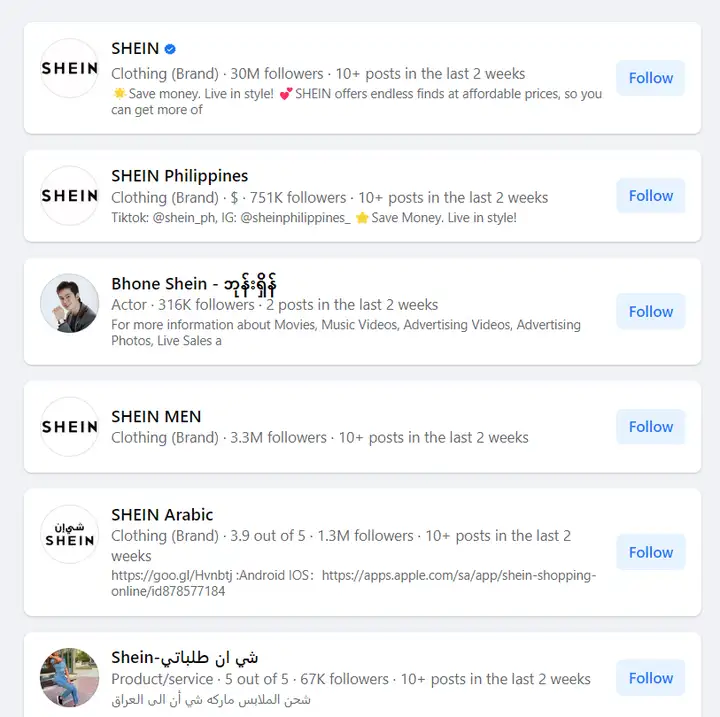
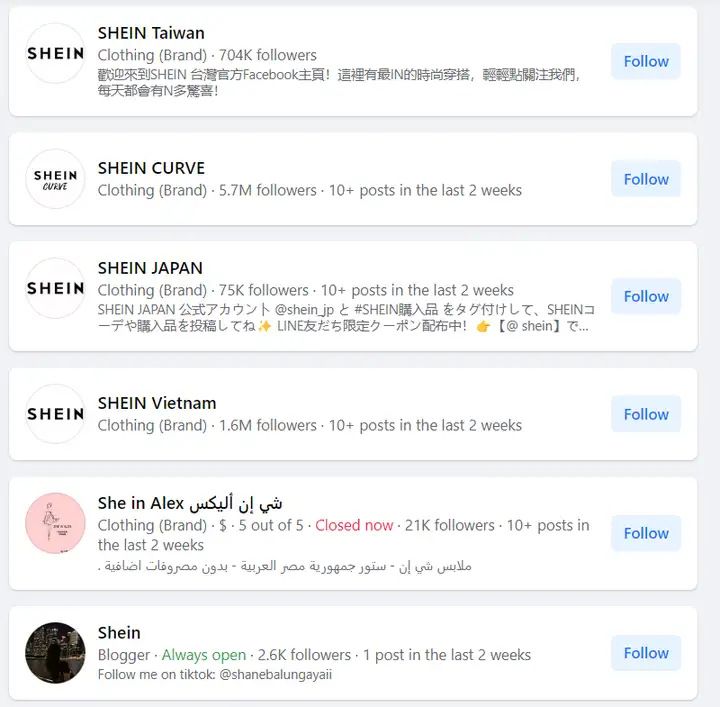
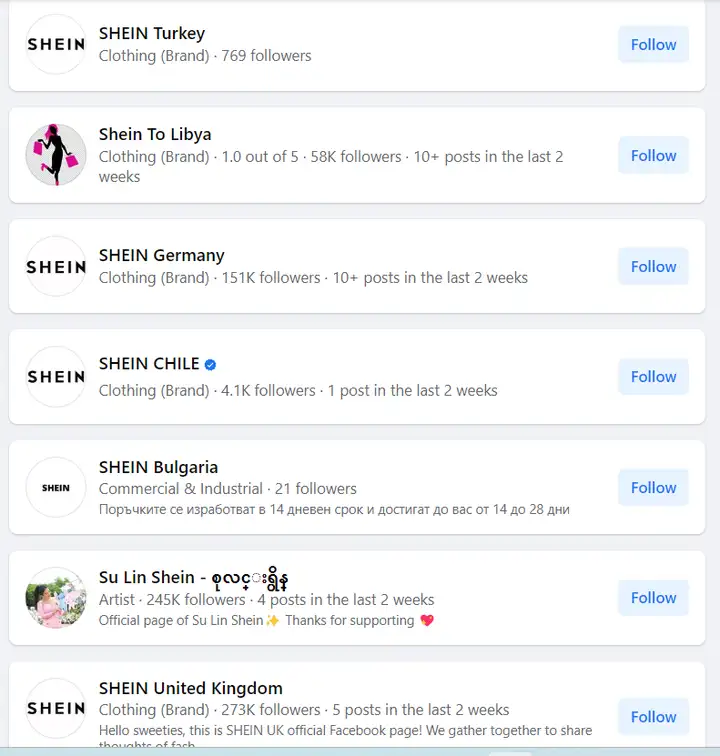
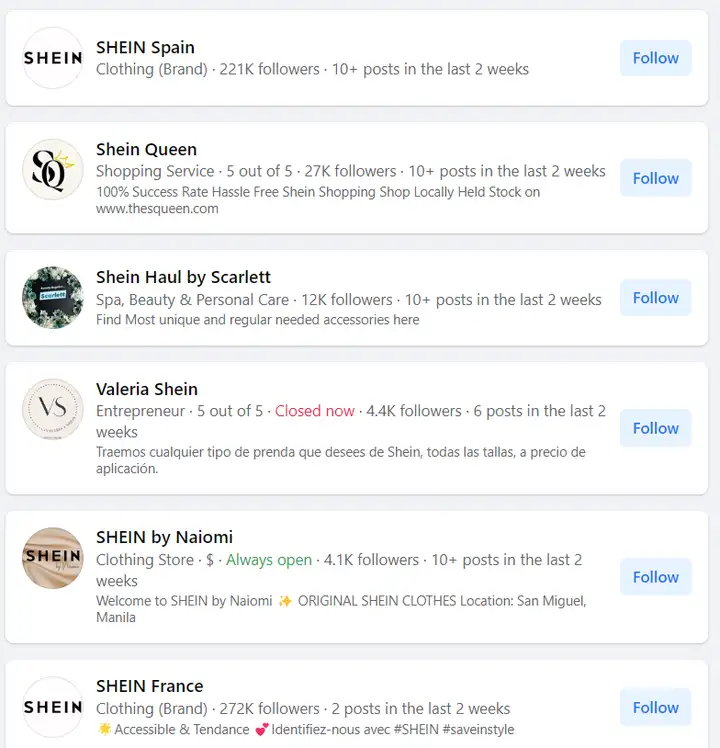
It is not difficult to see that in addition to the official main account, there are also some sub-accounts based on country, region or style. The combination of these account matrices is in itself a reflection of the brand's voice, making brand content thicker within the entire social media platform, and can also provide targeted content information for users in different regions or with different needs.
2. A large number of posts related to brand products
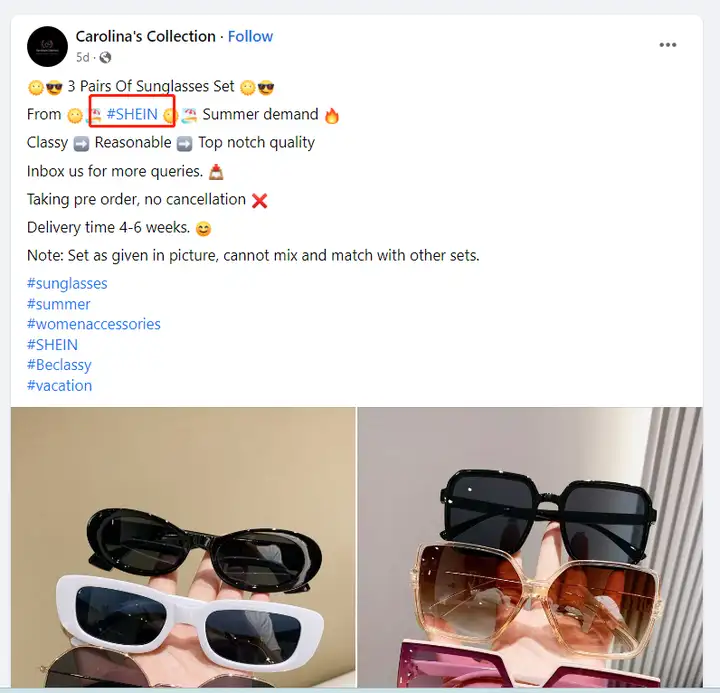
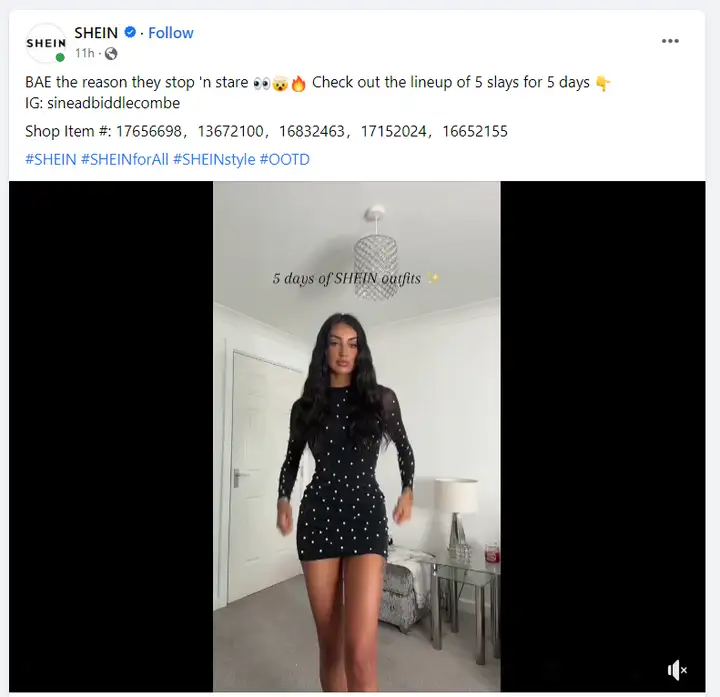
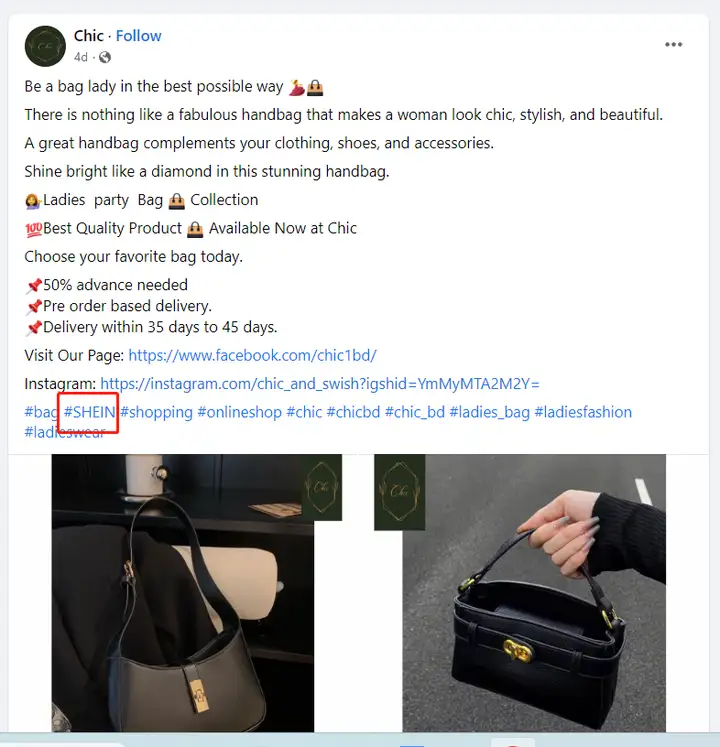
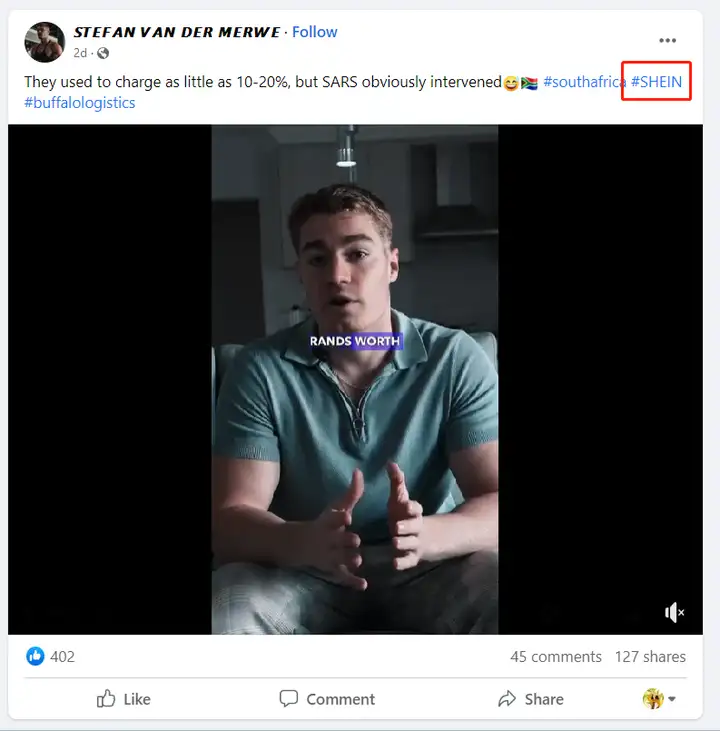
Many posts are not official, but come from the mouths of different KOLs/KOCs/users and even some other merchants, with brand-tagged topics. What it brings to the brand is not only product promotion from an official perspective, but also endorsement recommendations or topic traffic from a third-party perspective. When thousands of similar posts are spread across the entire platform, the result is a massive amount of content space, which also washes away the eyeballs of countless consumers.
3. A large number of Facebook groups
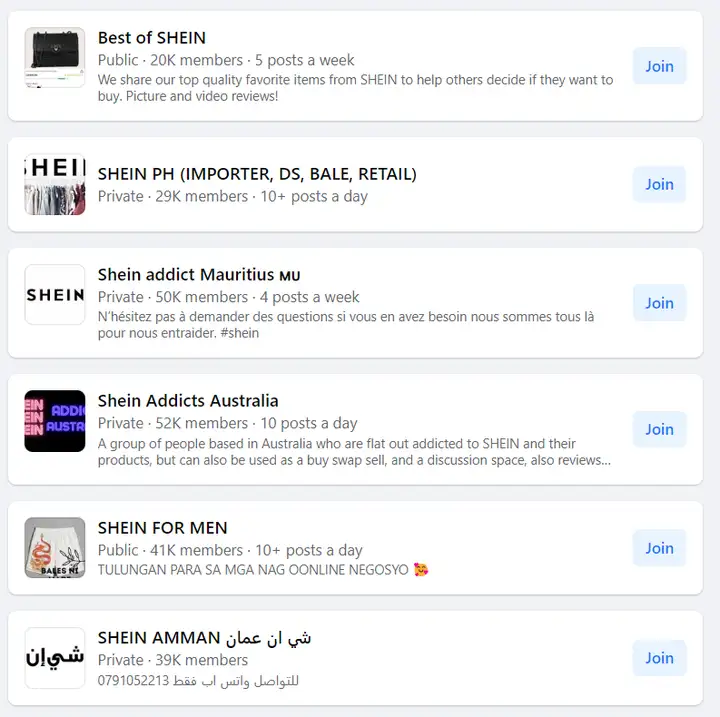
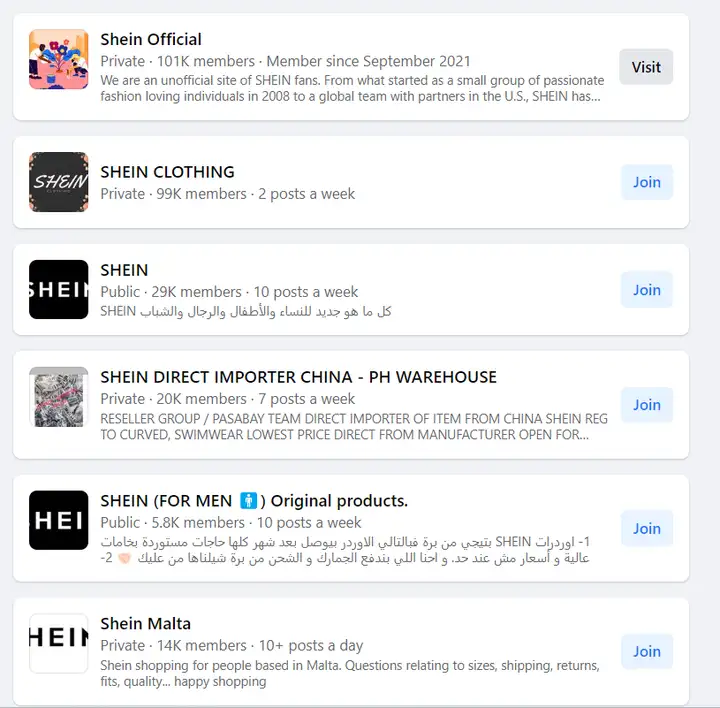
Similarly, whether it is an official group or a group formed by user fans, they are all related to brand products. There must be a large number of potential user groups hidden in these groups, which will also trigger brand-related discussions and content, and bring brand social media visibility. At the same time, they are also an ideal scenario for creating good public opinion about the brand and building its reputation.
4. A large number of brand-related tags
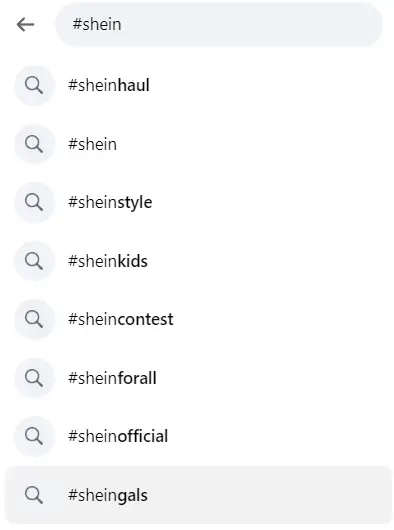
For well-known brands, brand tags can attract a large number of customers to search and gather. For many emerging brands, using other brand tags or industry product tags is also a form of content placeholder, bringing natural traffic to the brand. When users search for information materials related to industry products, they can be easily found by users.
In the entire online content marketing ecosystem, content is king and can exist for a long time. It will also form a snowballing diffusion value, bringing higher publicity value to the brand through small circles and small traffic.
#03 NewCan global expansion brands quickly occupy content?
Content placeholder is brand marketing placeholder. In the era of social media, massive content based on social media platforms can bring huge publicity value to brands, determine brand public opinion, shape brand reputation, and guide customers' brand recognition. So, for many global expansion brands, can they quickly achieve content placement and build brand momentum?
Let’s take a look at a few screenshots:
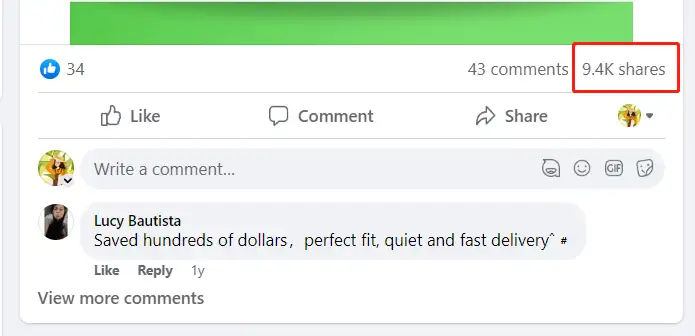
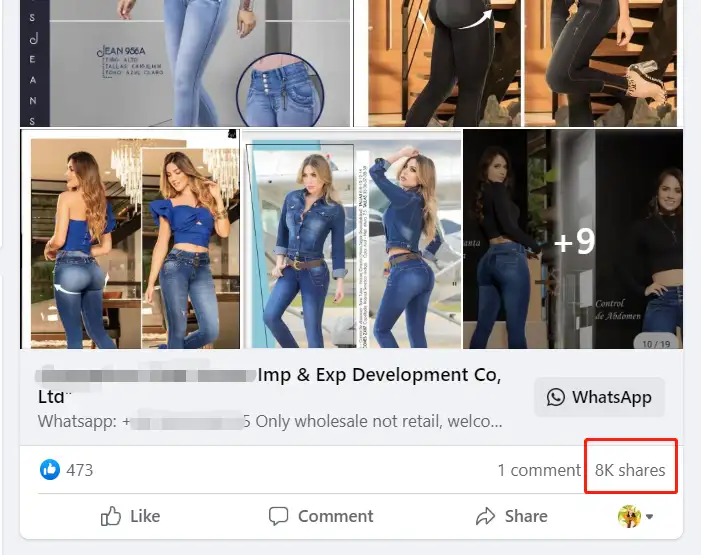
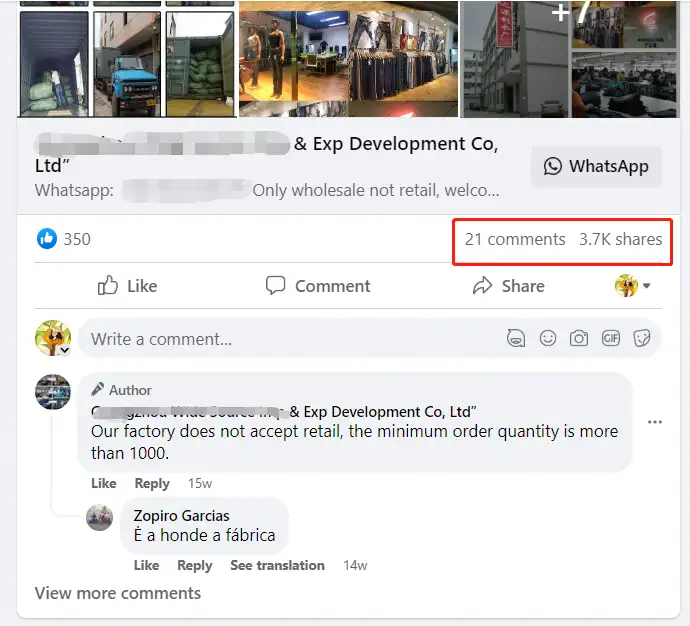
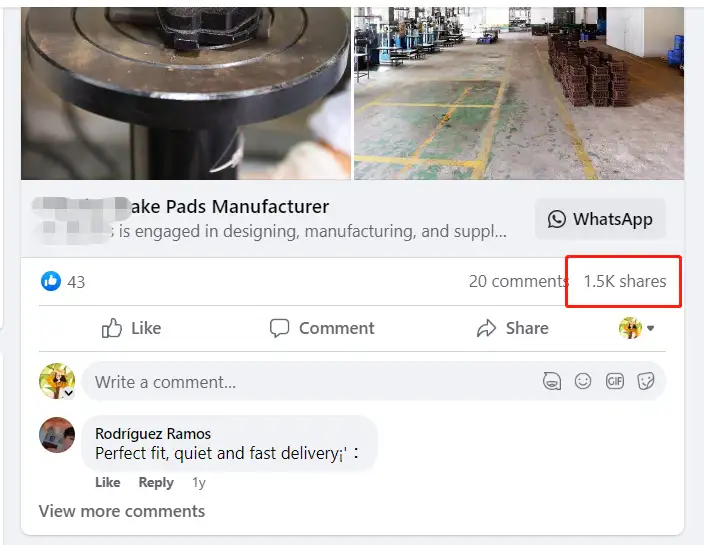
The above screenshots are all from SocialEpoch customers. On the Facebook social media platform, each post can reach thousands of forwards. A large amount of content is displayed, which also plays a positive role in brand exposure and brand marketing.
So, how do they do it? Account matrix+RPA+AIGC!
- Any brand or sales individual can establish a multi-dimensional account matrix system, allowing them to become their own small microphones to speak out on social media.
- Any marketer can also combine RPA (Robotic Process Automation) to solve the problem of publishing efficiency and display more brand product information in a short time.
- Any marketing organization can also combine AIGC's capabilities to produce a large amount of non-duplicated content and distribute it in large quantities to achieve brand content placement.
In the era of red ocean marketing where content is king, use a large amount of content, efficient distribution methods, and decentralized account systems to enhance publicity intensity, occupy consumers' minds, shape brand reputation, and guide good public opinion about the brand. Be one step ahead of your competitors and use long-tail content to gain recognition and attention from users.
Almost all online content has a common feature: fragmented display and explosive spread. It is difficult for a brand to win user recognition through a piece of content. Only by overwhelming the output of content and taking up space as early as possible can your brand be amplified by N times.